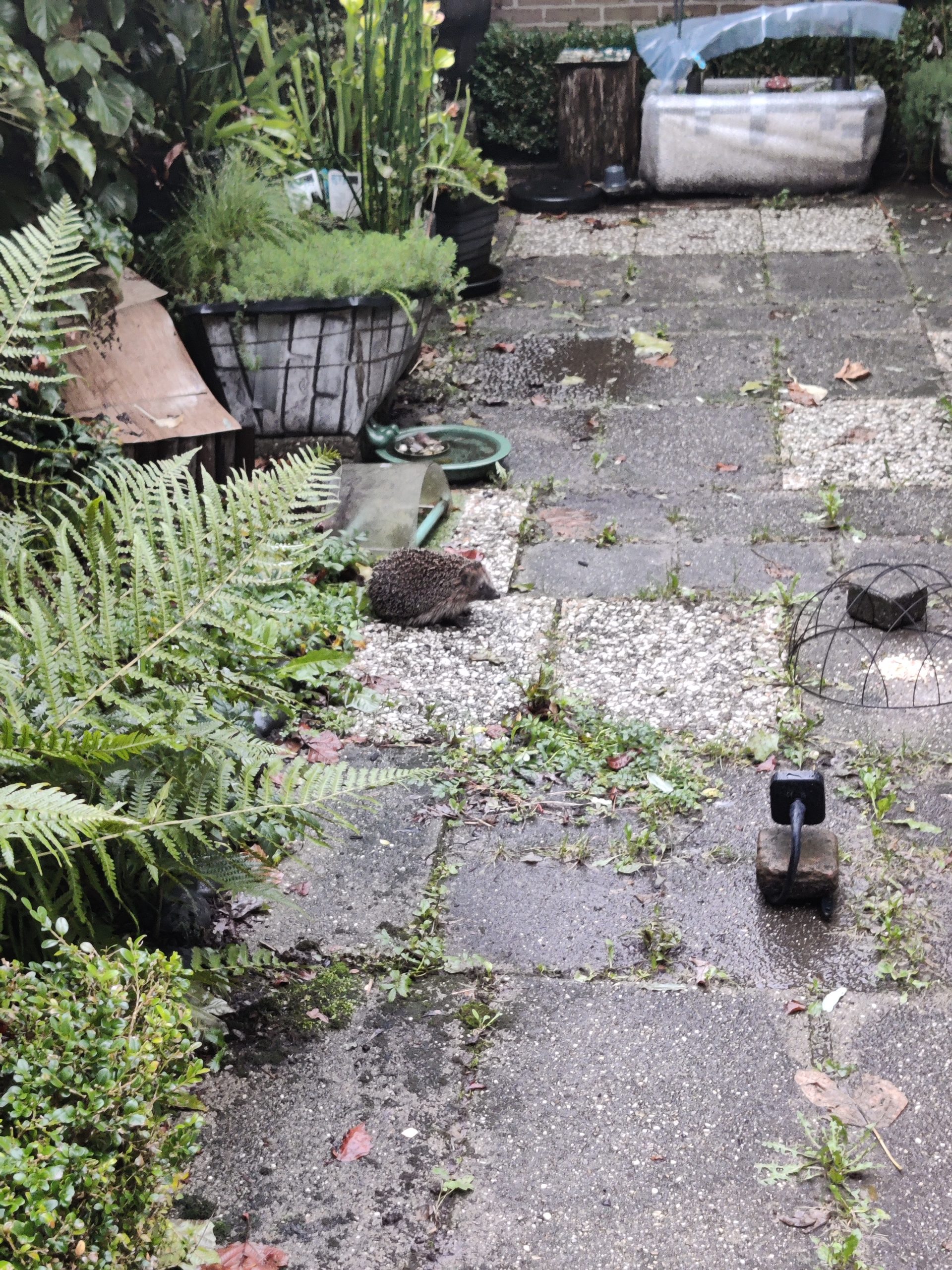
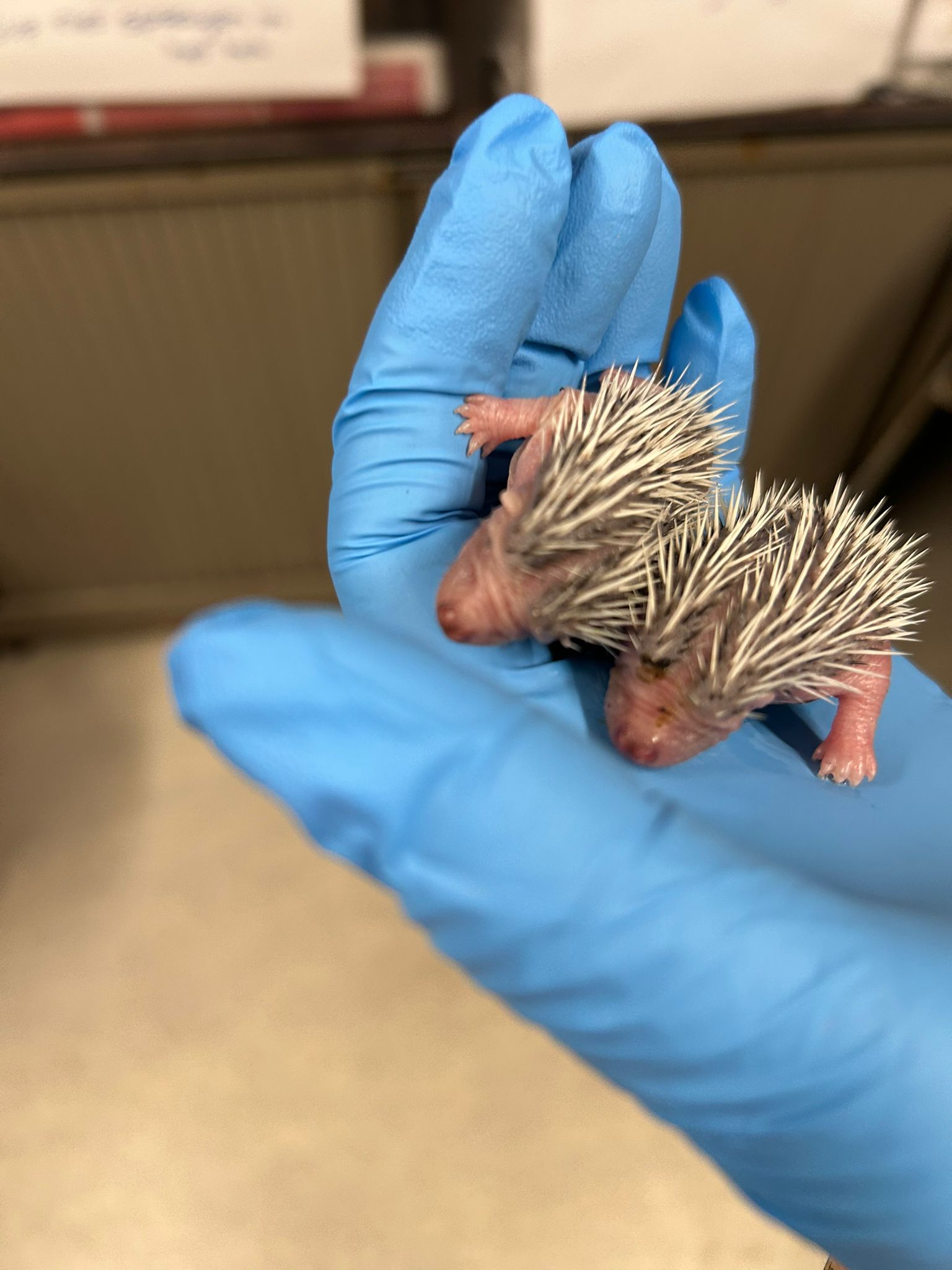
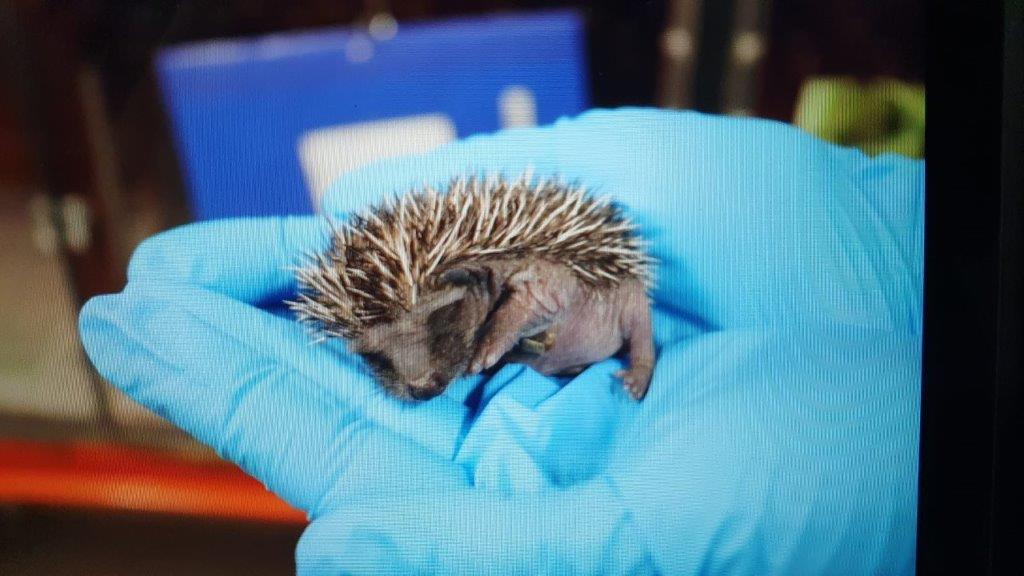
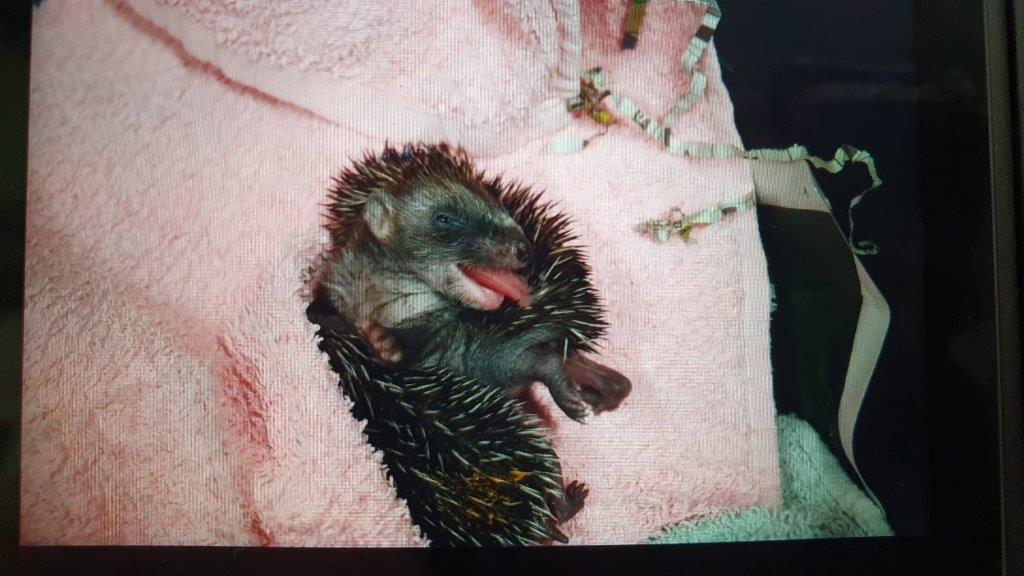
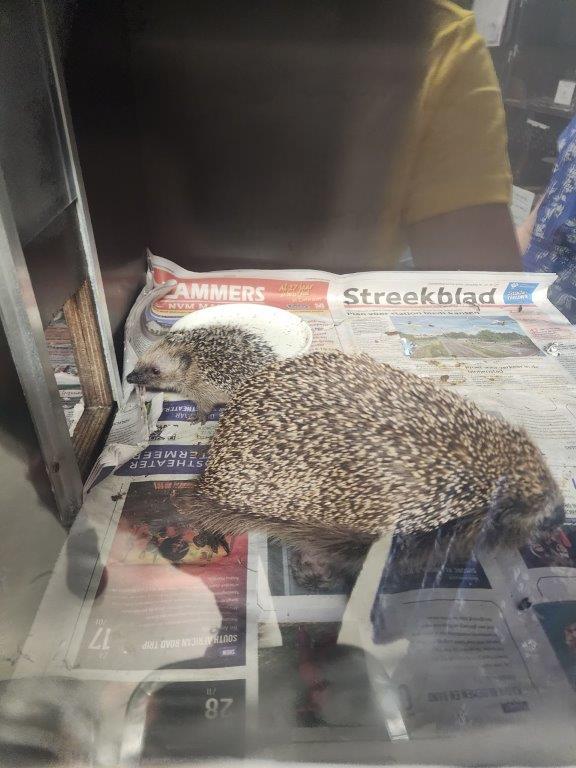
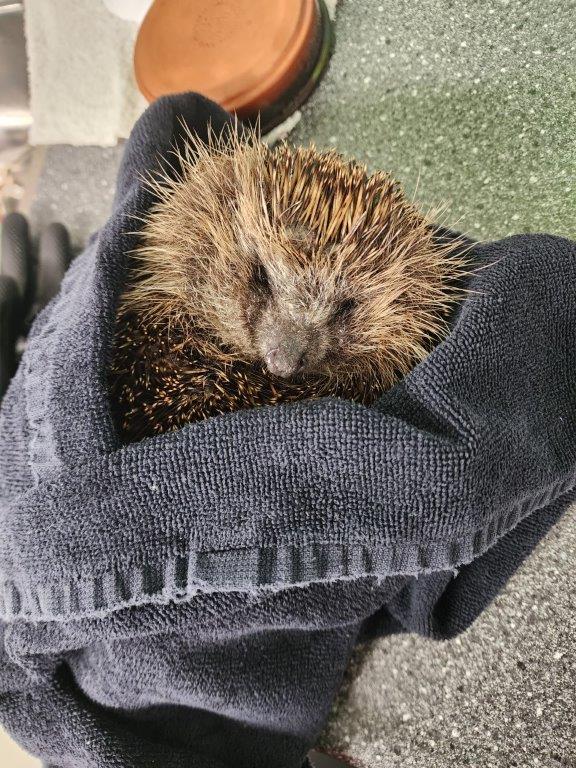
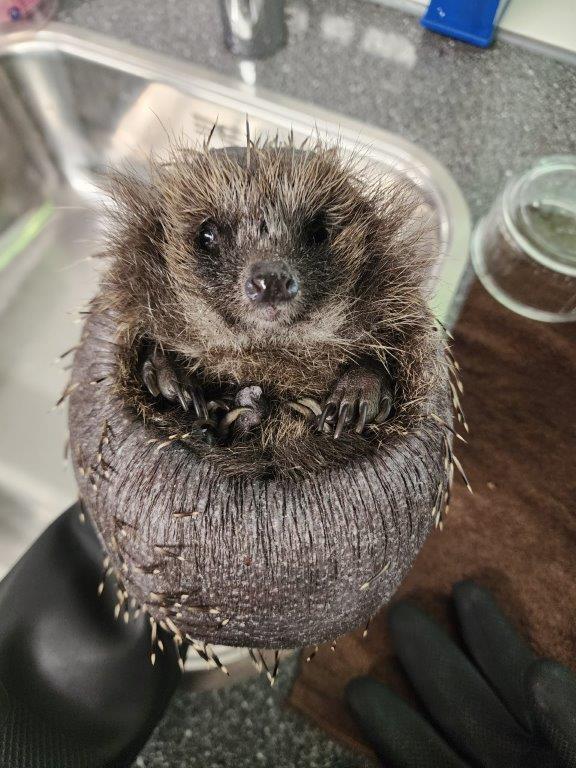
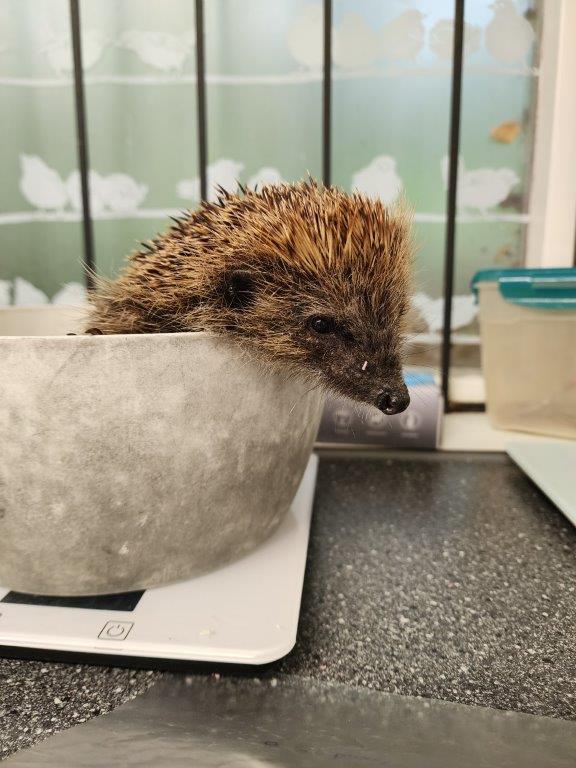
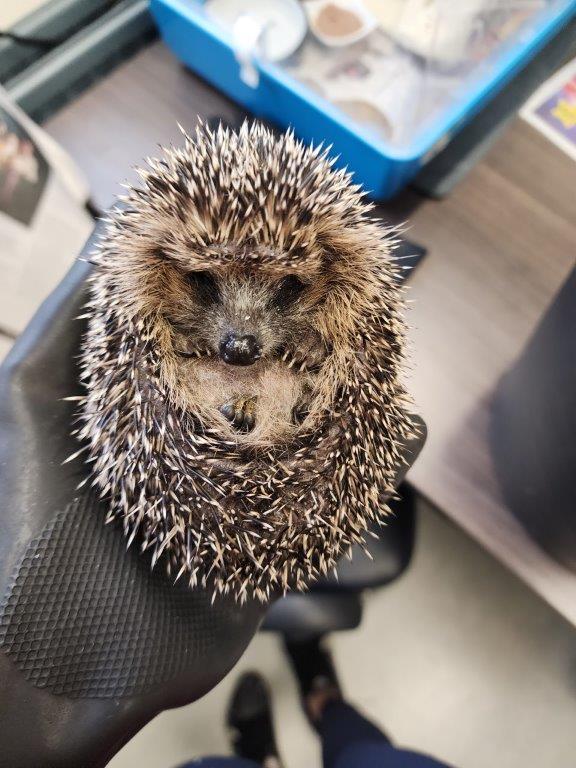
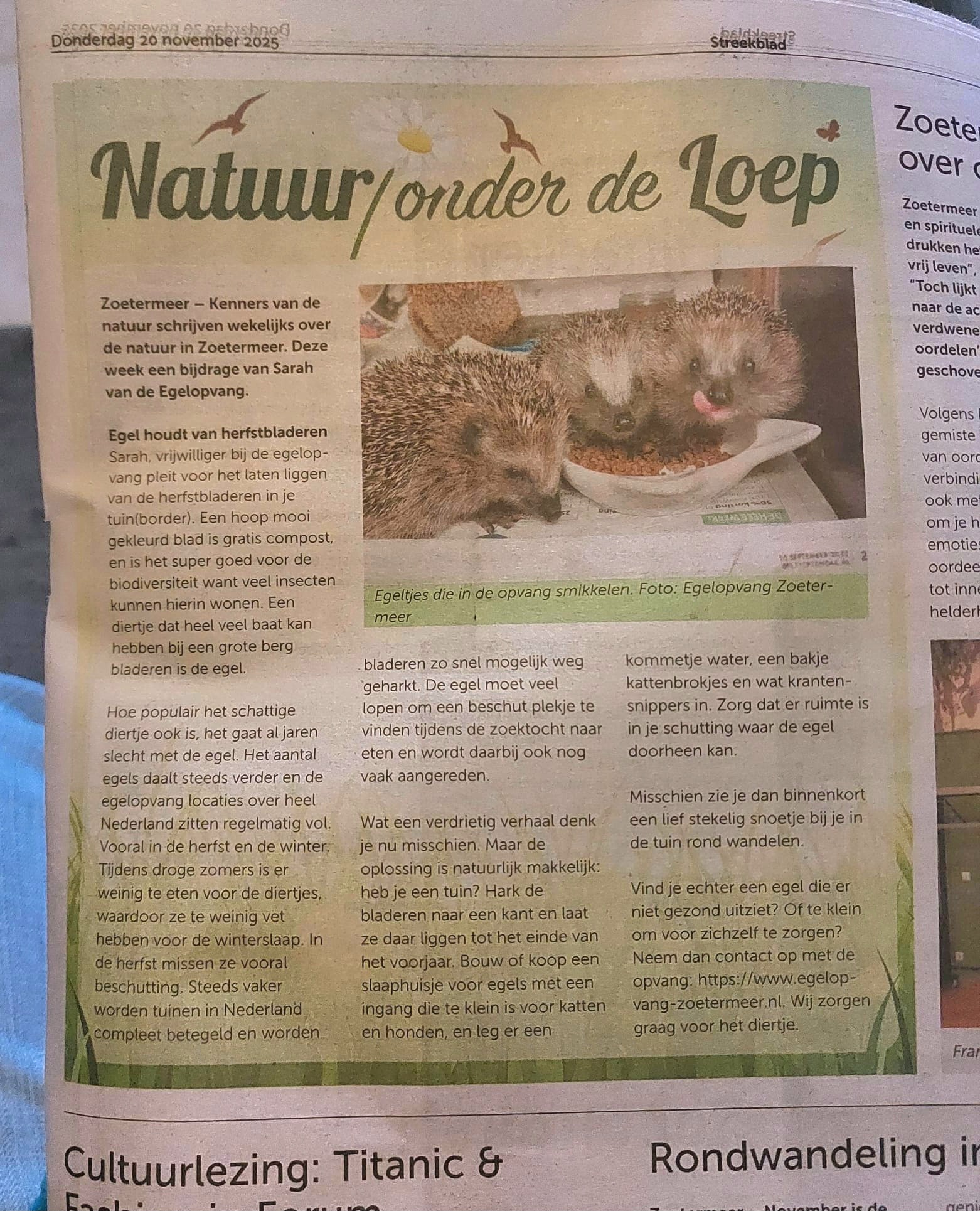
Ever since I moved to a house with a garden, I fell in love with Nature. I mean, before that, I also loved nature but did not really appreciate it, I think. But once I had some extra space, I figured I can do so many things with it – like add hedgehog houses and give them a helping hand when they needed. In the Netherlands, hedgehogs’ free-roaming areas are shrinking more and more due to more and more house building and more closed and/or paved gardens. So hedgehogs need some supplementary food and shelter. This is how it all started for me. For a while, I even had a pet African pygmy hedgehog (not wild) and fell in love with these creatures even more. I started helping hedgehogs and observing their behaviour and their poop, weighing them every now and then to keep track of how they gain weight for the winter and noticing different types of symptoms. This is how I have found out that, super conveniently, there is a hedgehog rescue center right in the city where I live. And it was a big one, capable of holding more than 120 hedgehogs at a time. I started calling them for advice, and based on the questions I have been asked, I learned what to look out for. I have written another blog post about this and how you can help hoggies in your garden. You can read it here.
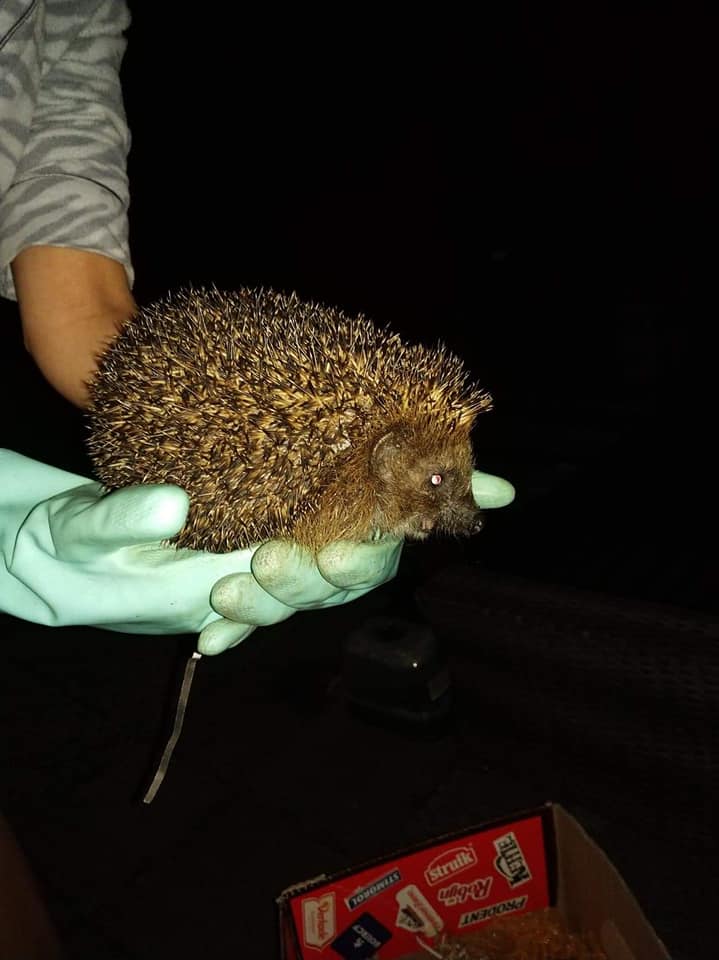
So I had to bring a hedgehog, then another, and so on for 2-3 years and they already knew my name when i called. I would bring hedgehogs and take them back once they were healed and release them back into my garden. I was prepared by always having some fresh leaves in case I needed to pick and keep a hedgehog overnight until i brought it to the rescue center, had a suitable plastic container with big air holes, leaves and food/water inside for these single nights of keeping an animal before bringing it the next day for some treatments. Eventually, I asked if I could volunteer since I wanted to contribute more and even though I frequently donate to different wildlife causes around the world, some every month, I wanted to help also with some physical work on Saturdays and that’s how it began last year May (2024). So I have been there for 1.5 years now.
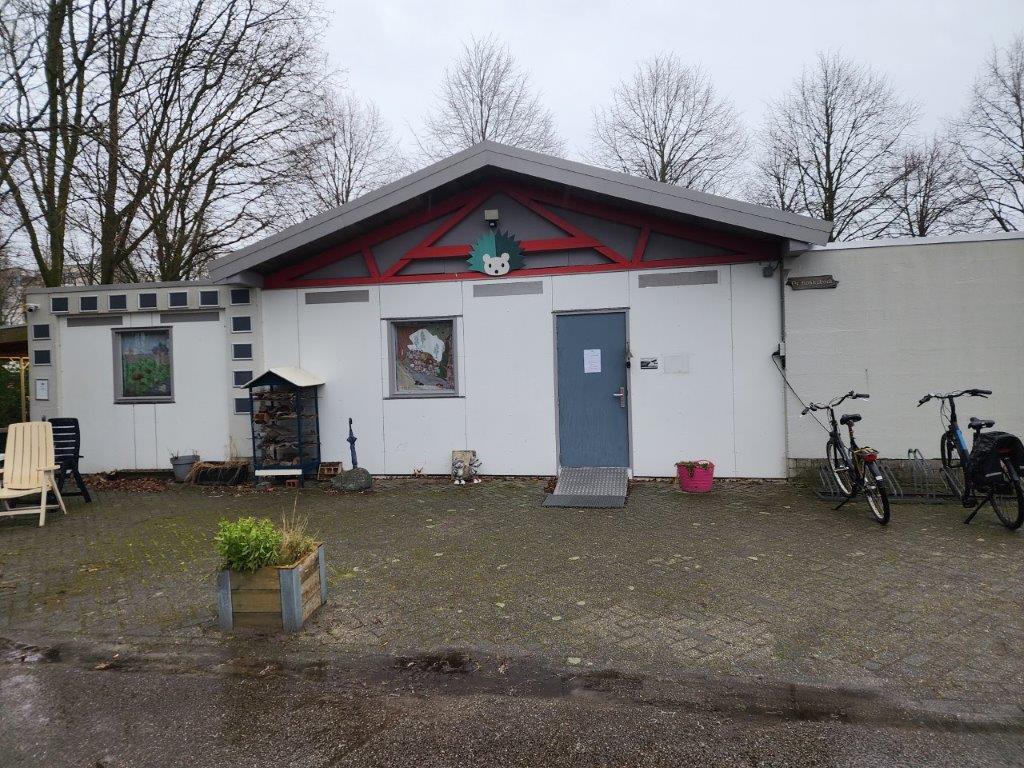
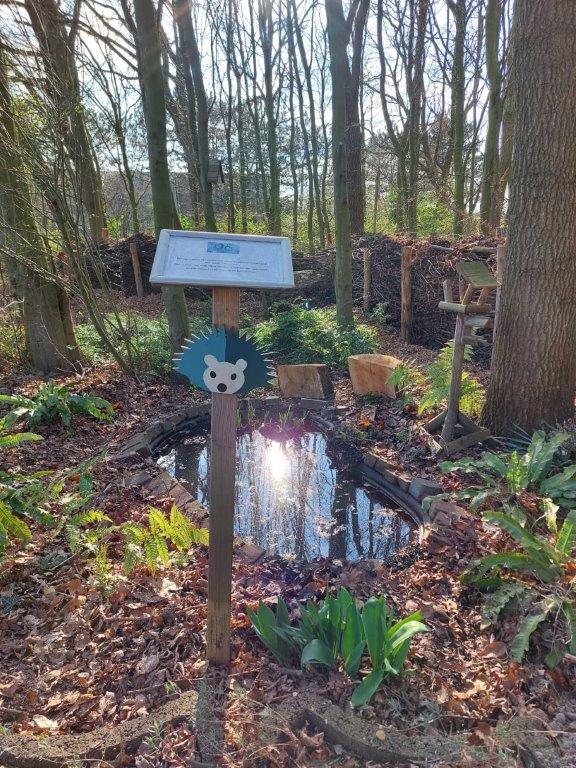
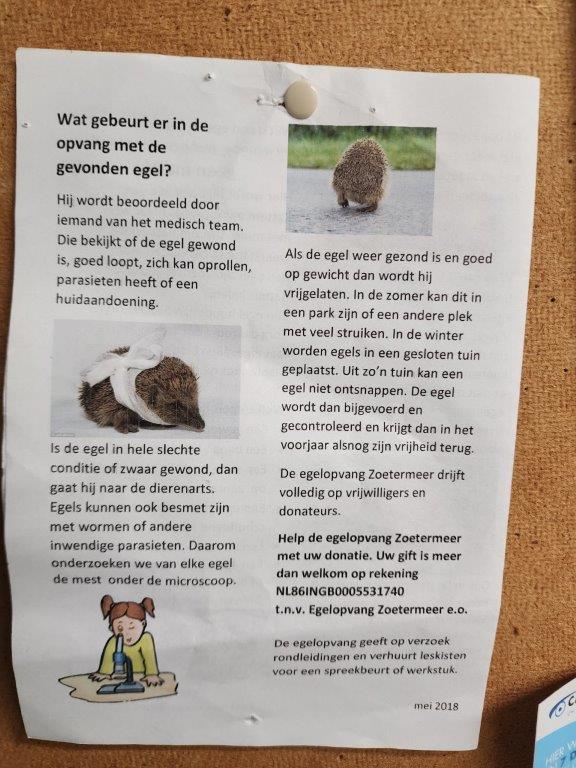
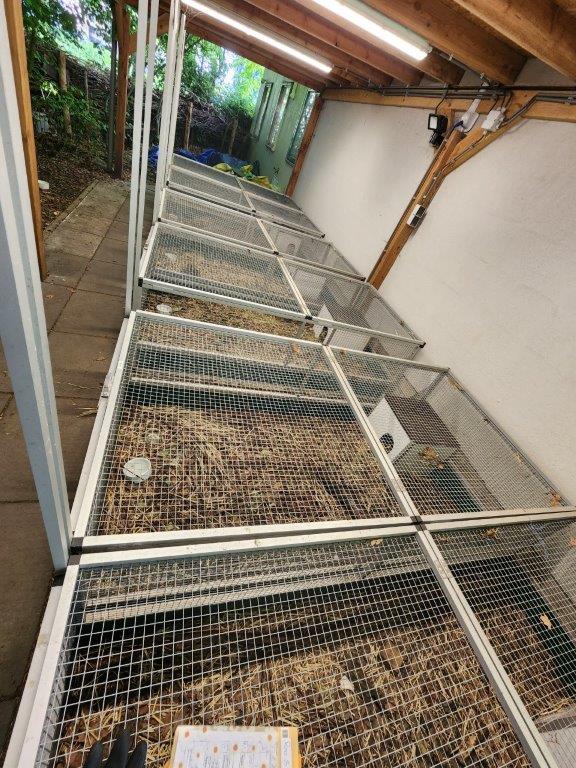
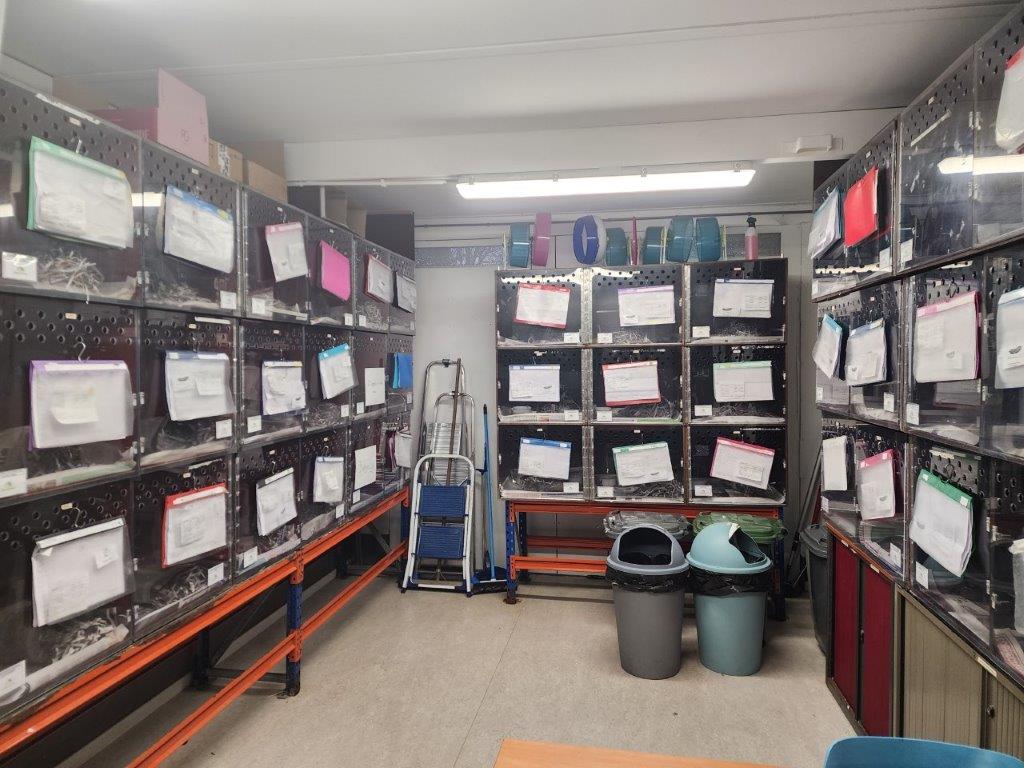
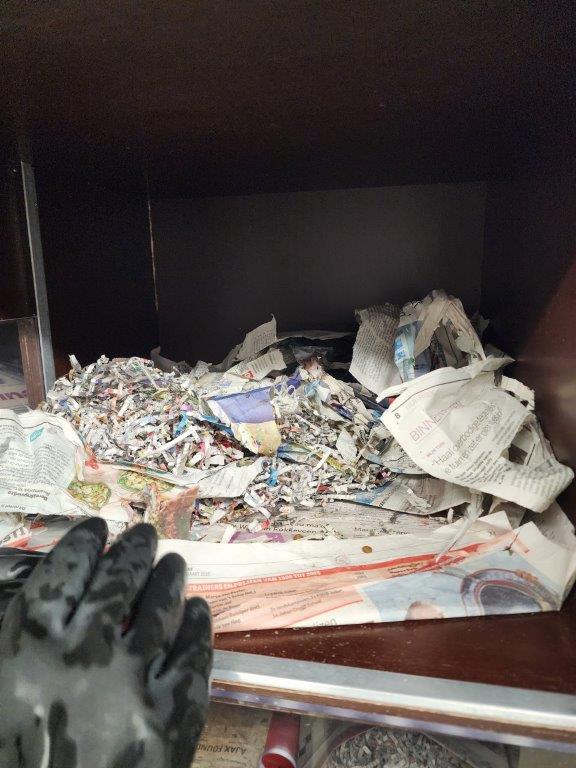
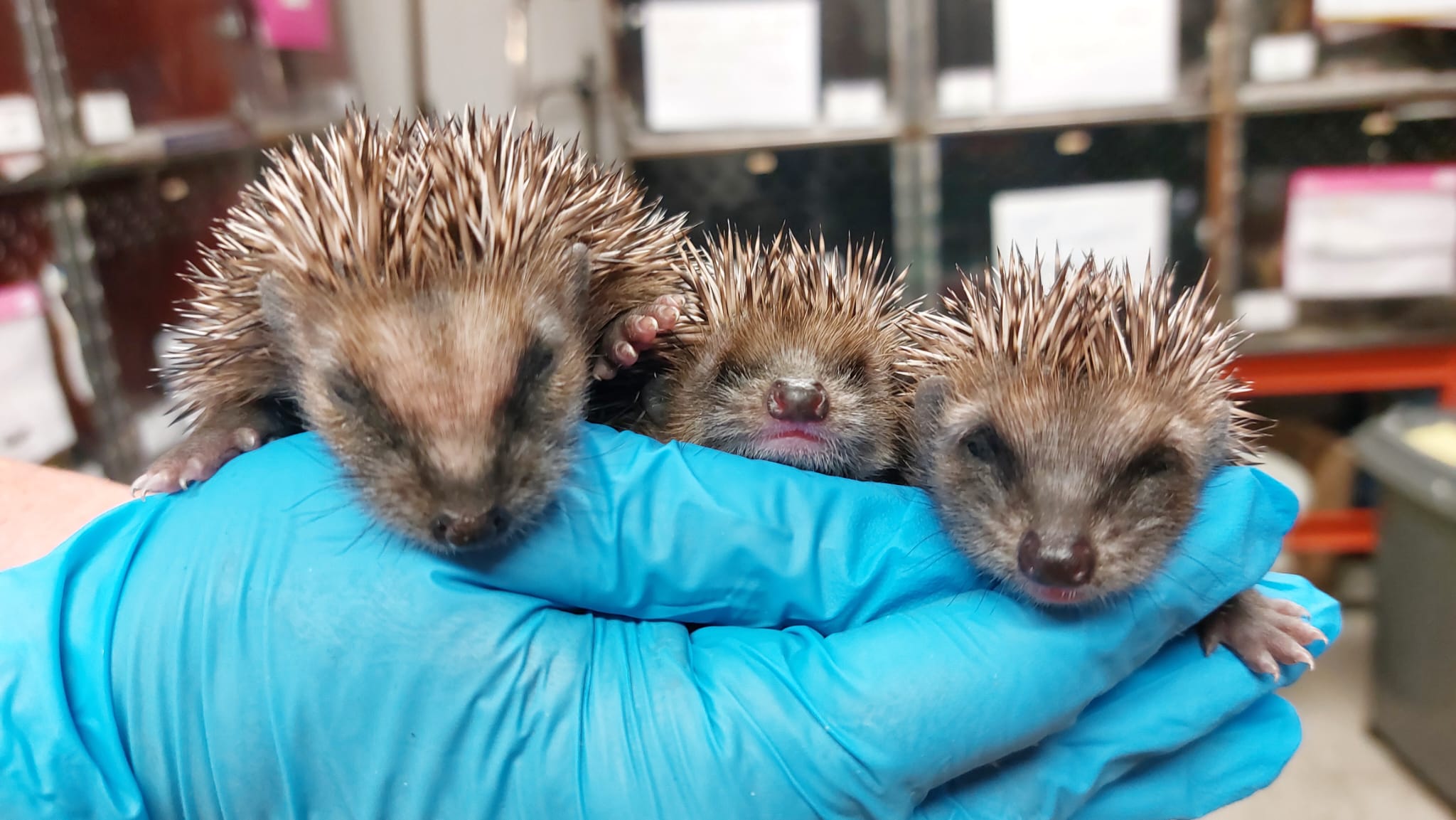
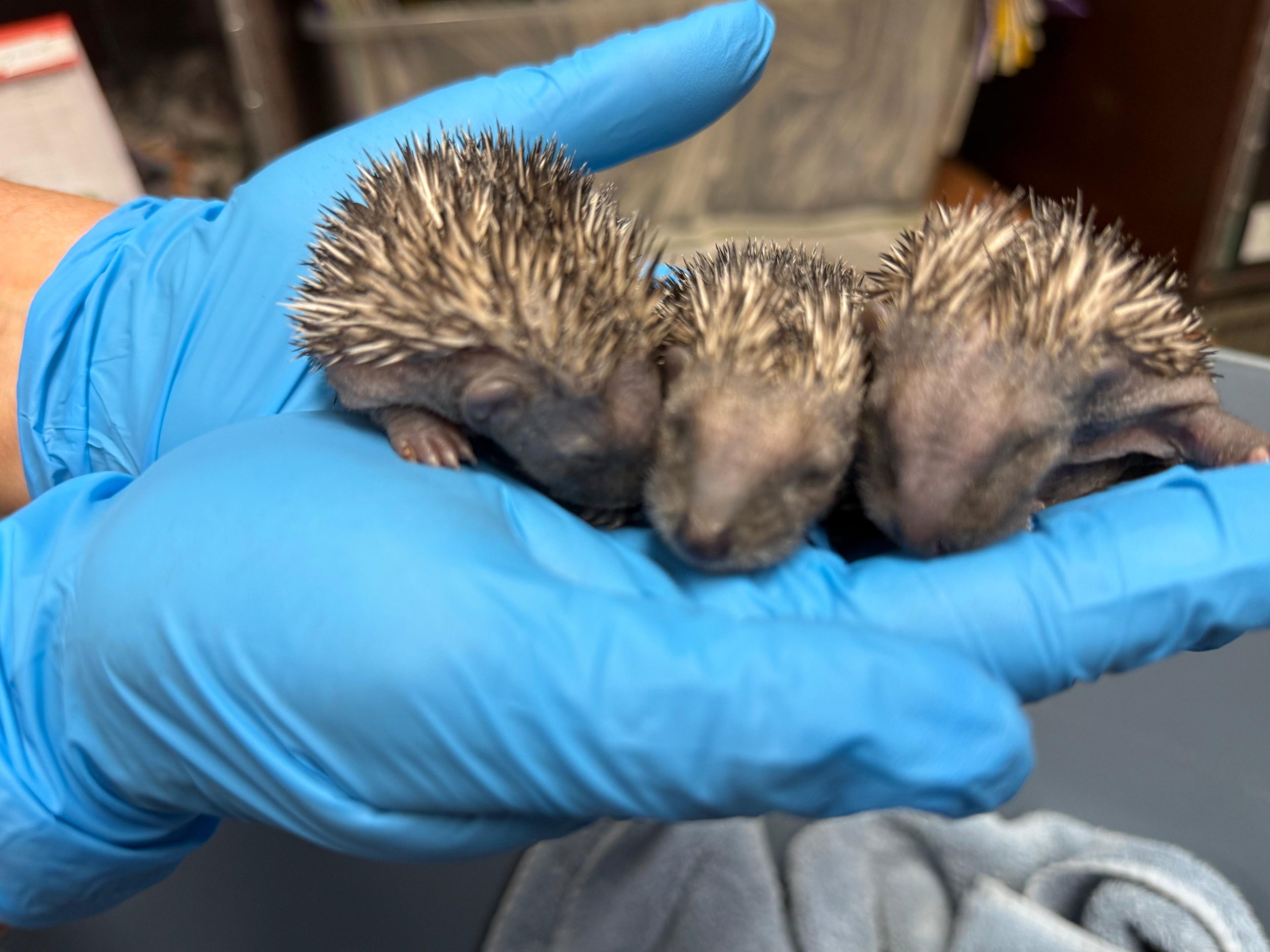
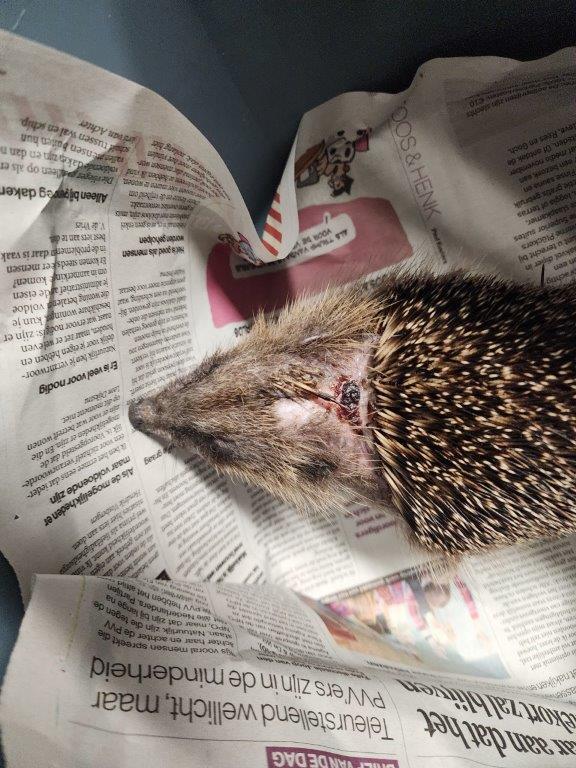
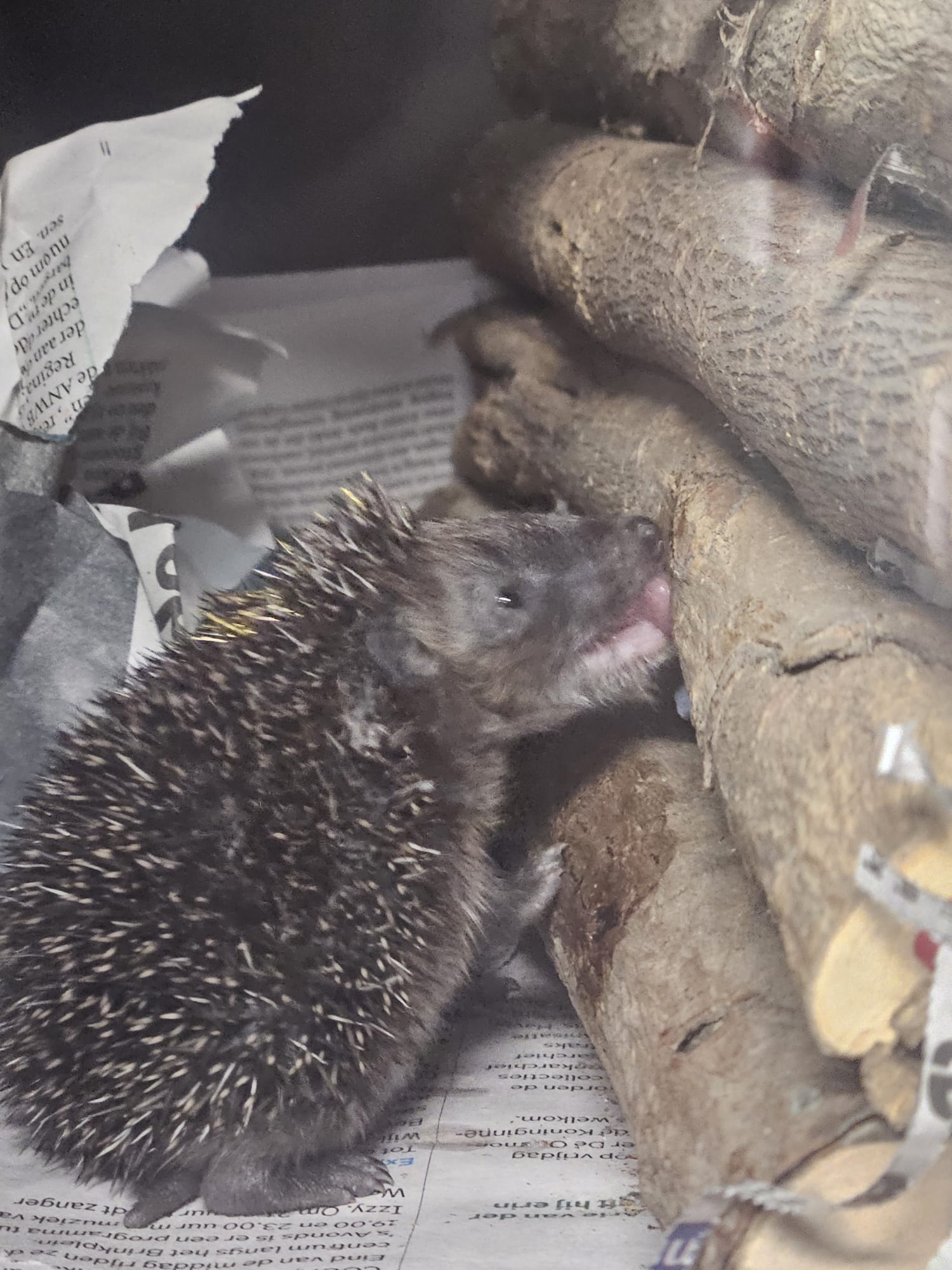
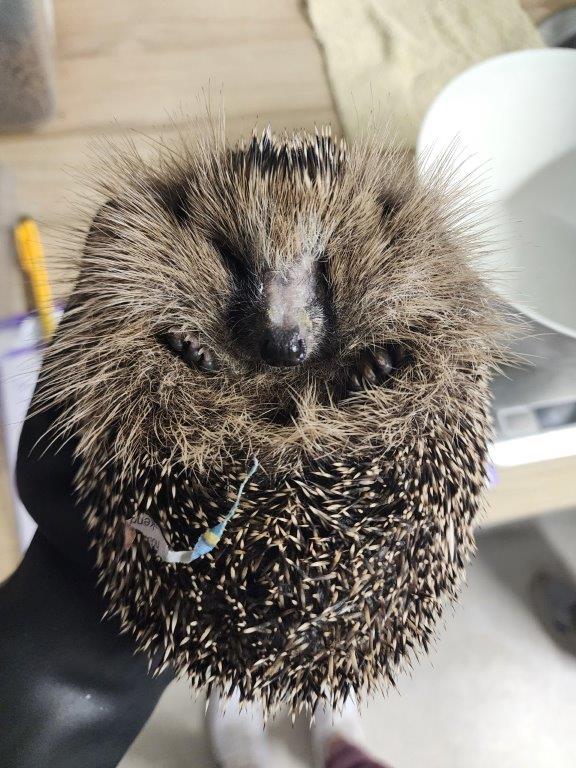
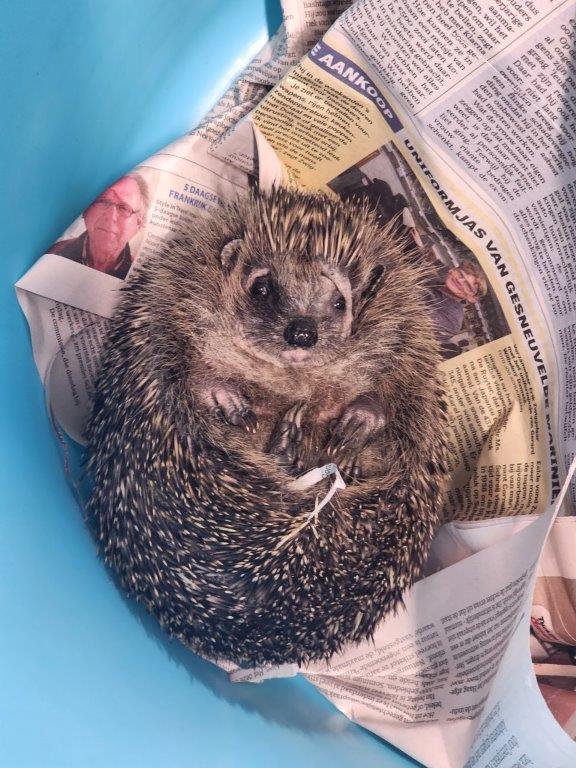
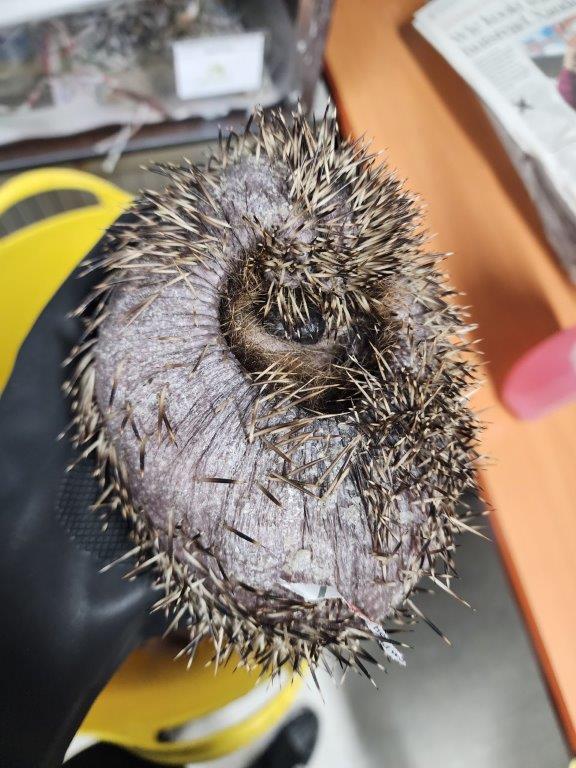
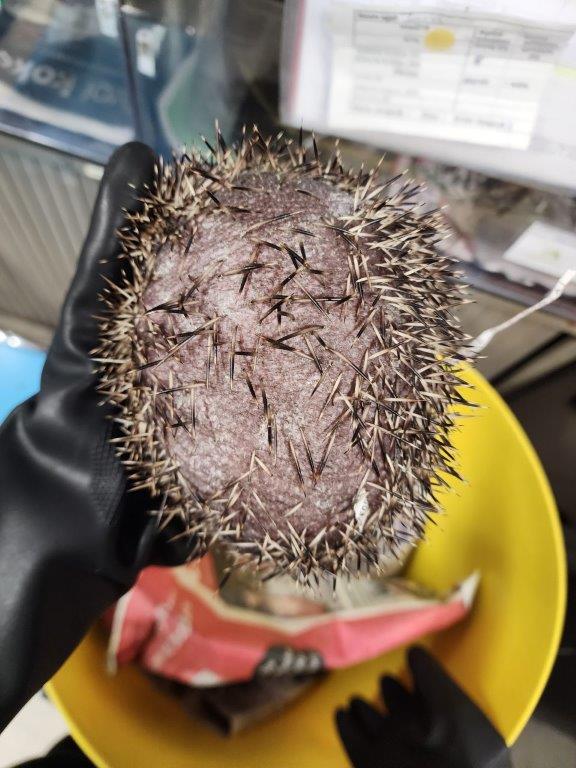
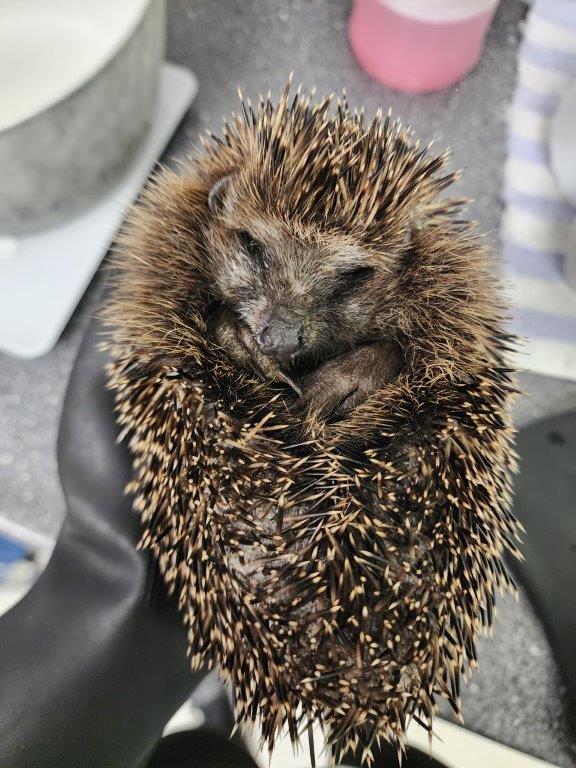
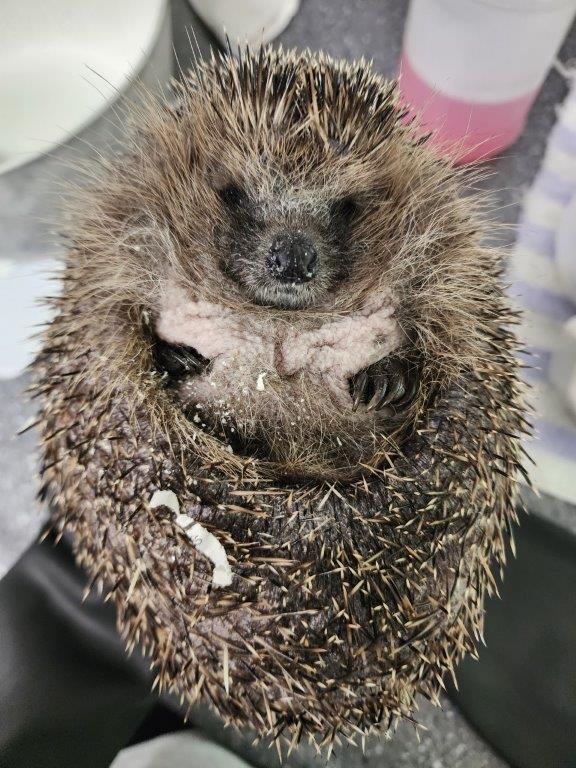
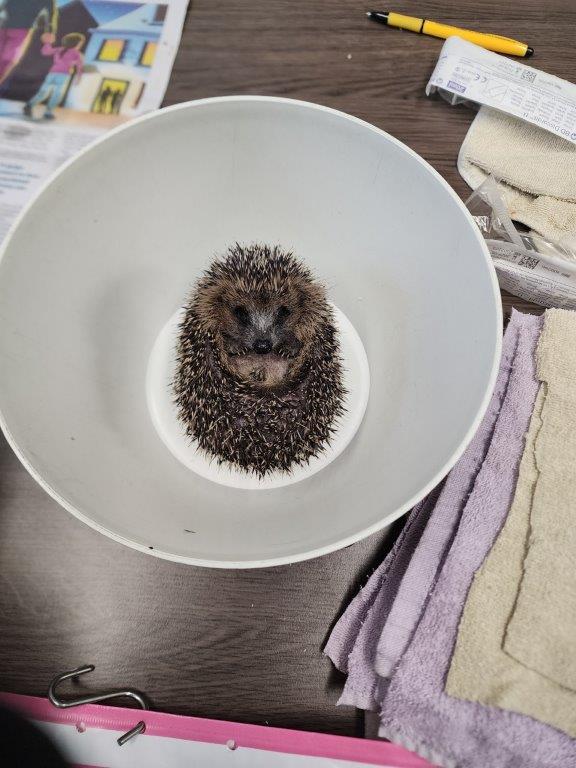
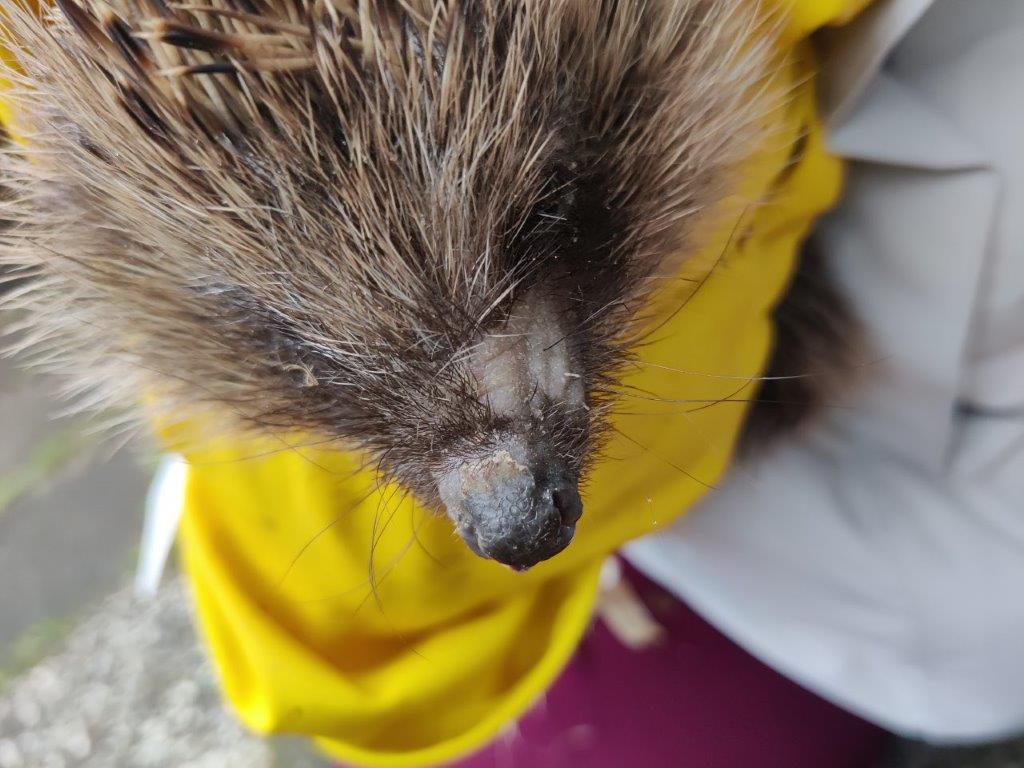
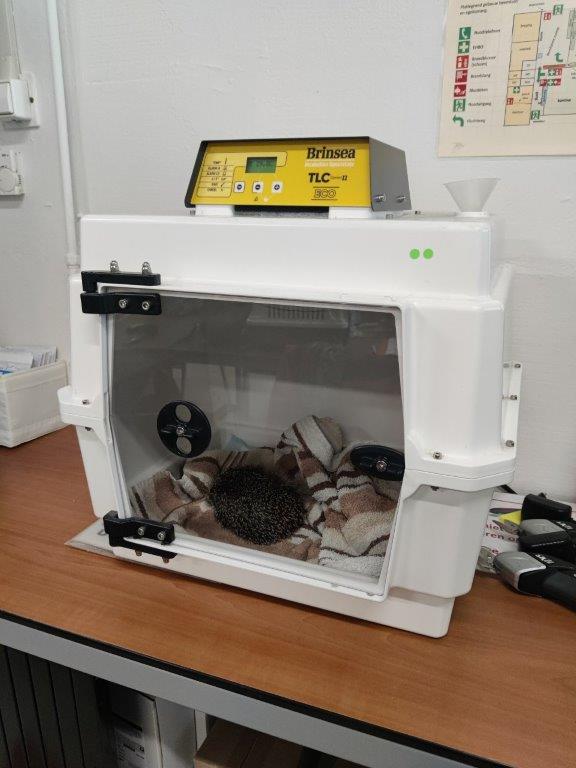
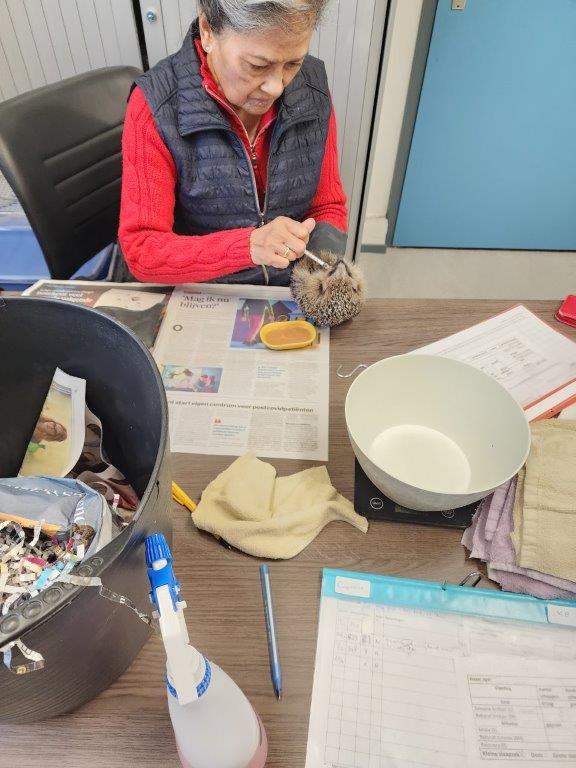
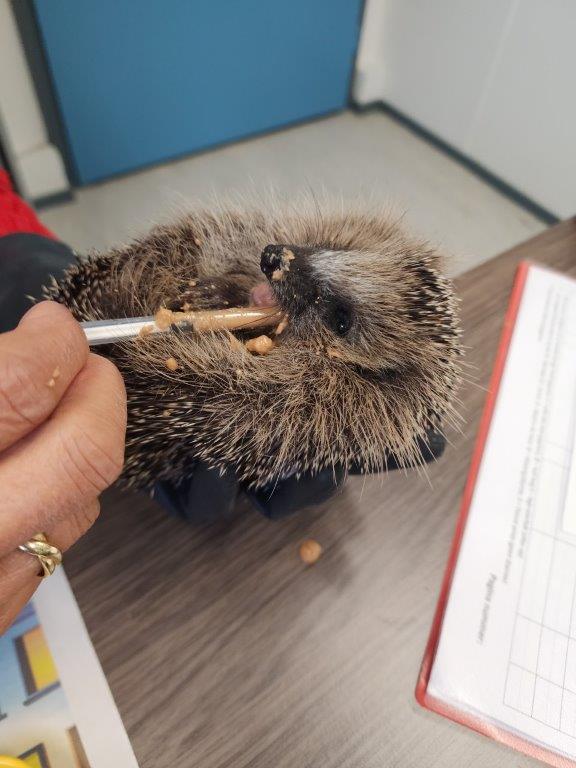
The hedgehog rescue center in Zoetermeer, Netherlands, operates solely with volunteers and very, very small help from the government, which is absolutely not enough to cover the costs of medication, food, cleaning supplies, and things like an accountant, PR & marketing person and ofc medical personnel. Everyone is a volunteer. We get donations via different “Good cause” campaigns, working with the statiegeldfles (return your plastic bottles) machines at the big supermarkets, where you can choose to donate money to our rescue center every now and then for a week, people can adopt a cage inside the shelter and we place their name on that cage, for a year or half a year etc. Every day there is a group of volunteers who go there and clean the cages, weight the hedgehogs and note down things like the poo consistency and colour, how much the hedgehog has eaten from every type of food and anything else we observe (that’s me). You then have the second shift – the medical personnel, who come in and administer all the required medication to all animals that need it on that day. Sometimes small hedgehogs arrive or weak animals that don’t eat themselves, then the medical personnel will also hand-feed those with special food that helps these animals recover. Some hedgehogs need treatment for differnt sorts of internal parasites, like lungworm (they would cough a lot), or skin issues, or other parasites, or wound treatment (often from trimmers and robot lawn mowers, garden fences and whatnot), some have skin issues that cause their quills to fall (you will see quite a few photos of these), so they require special medical baths to heal the skin and only then, new quills grow back again. This last condition takes a long time (several months of treatment) until the animal can be released back again. The hedgehogs with skin problems have their own separate wing with a separate set of cleaning materials, because the skin diseases can be easily transferred to other hedgehogs. After a long-term treatment, some hedgehogs have gotten used to receiving food from humans, so they go and stay at a closed garden for a while to get used to their natural environment and then get released, so it is never done directly. To determine if a hedgehog is healthy to be released, veterinarians come to visit and check on the criteria, we also collect 3 consecutive days poo from every hedgehog when noted down by medical personnel, then a pathologist comes to examine the poop. I talked once to the lady who did it, she is a pathologist in a human hospital and was doing this as a volunteer and she really liked it. She explained to me how she dilutes the poo and what she’s looking for and showed me pictures of what the different sorts of worms look like, quite cool! Based on that, medication is prescribed to the corresponding hedgehog. If the hedgehog is clean for a while, it can be moved to a special revalidation area for a while, and then go to a garden and then be released.
Some hedgehogs require medication twice a day, so someone comes in the evenings too, quite often. I am considering in the future to go for a training and to become part of the medical personnel too, but for now, my life doesn’t allow me to be more than a “caretaker” as they call us 🙂 And I am ok with it for the time being.
The community there consists of some awesome Dutch ladies and a few gentlemen who help too with repairs and also care of hedgehogs, and exposes me to Dutch culture and the language as I am forced to speak Dutch there, which I really like – they almost never switch to English for me, which helps me learn and relax with speaking a bit more. We often have a coffee after we are done, we achieve perfect symbiosis of whoever is finished with their assigned area for the day, we jump in to help the others, or if they are almost done, to wash the leftover food bowls or sweep the floor, or disinfect, or anything else that needs doing. And only when everyone is done, we go have a coffee in the pantry area. The municipality also organizes special events for all volunteers in Zoetermeer, not only for animal rescues, but for any sort of voluntary work where you can join and meet other like-minded people. This is super cool! Also, internally between us, we sometimes organize events and invite our day group, for example.
At some point, we were collecting all the ticks we removed from hedgehogs and would send them for research, but that initiative has ended. Sometimes we donate hedgehogs who have passed away to museums or for research or for different taxidermy projects or initiatives, but right now we only collect them in a freezer and the animal ambulance would pass by to pick them up for processing according to the regulations. It is extremely sad to go to the shelter to help hedgehogs and to discover one that has passed away, but, unfortunately, it does occur rather often, especially in the winter months. It is due to the fact that the conditions for them are getting worse and worse (lack of food, diseases etc) and they cannot sustain themselves and when they arrive to us, it is already too late to help some of them.
I think that is all for now, do write comments with questions, if you have any 🙂 I’d be happy to answer